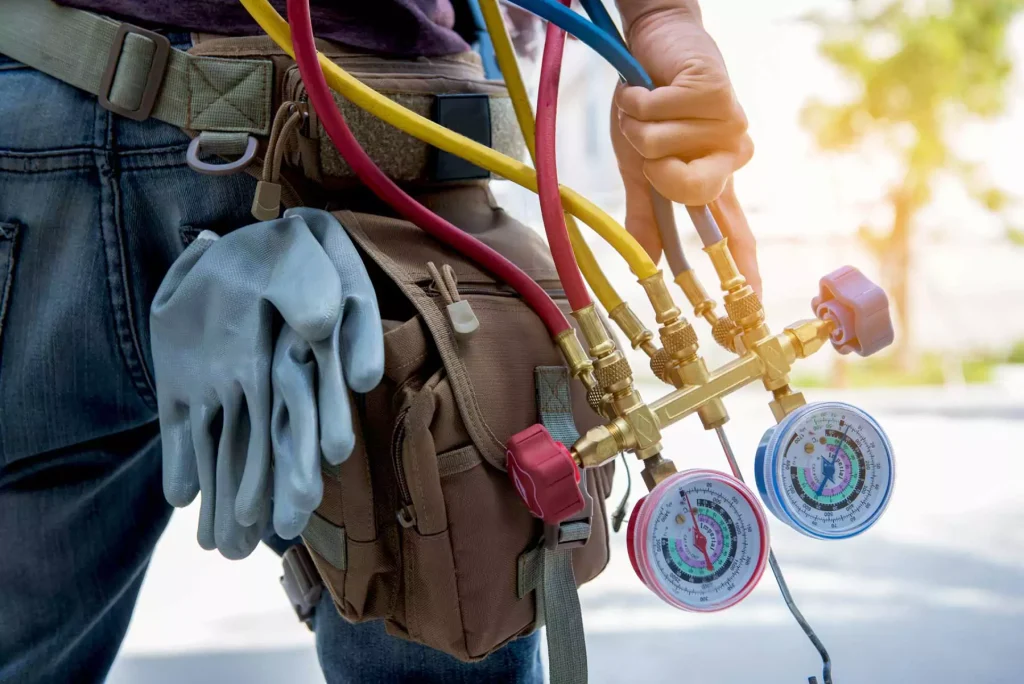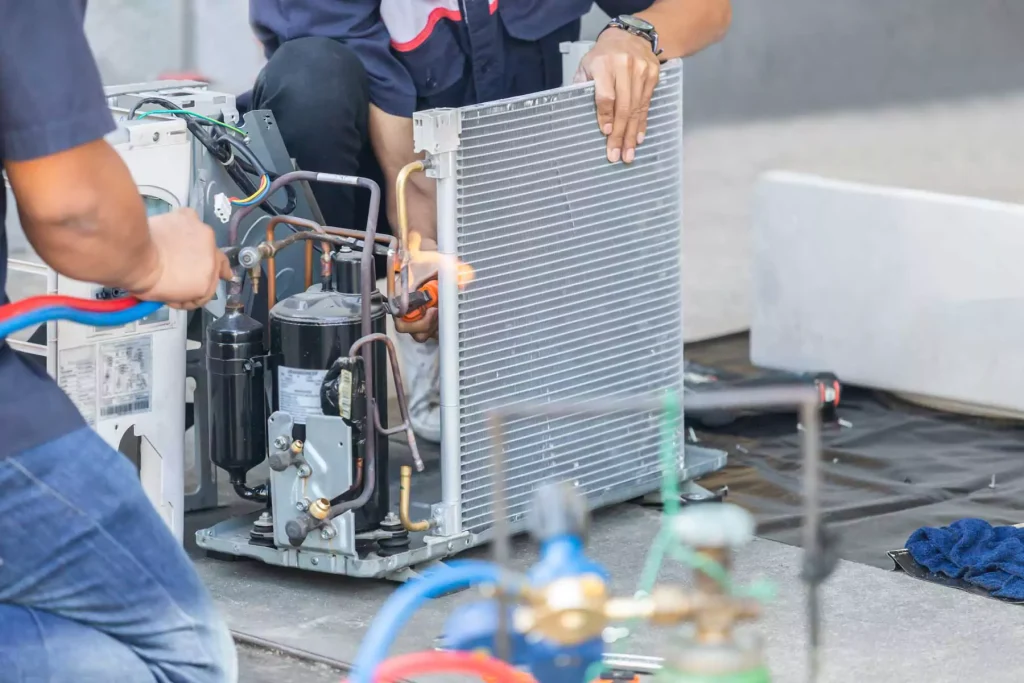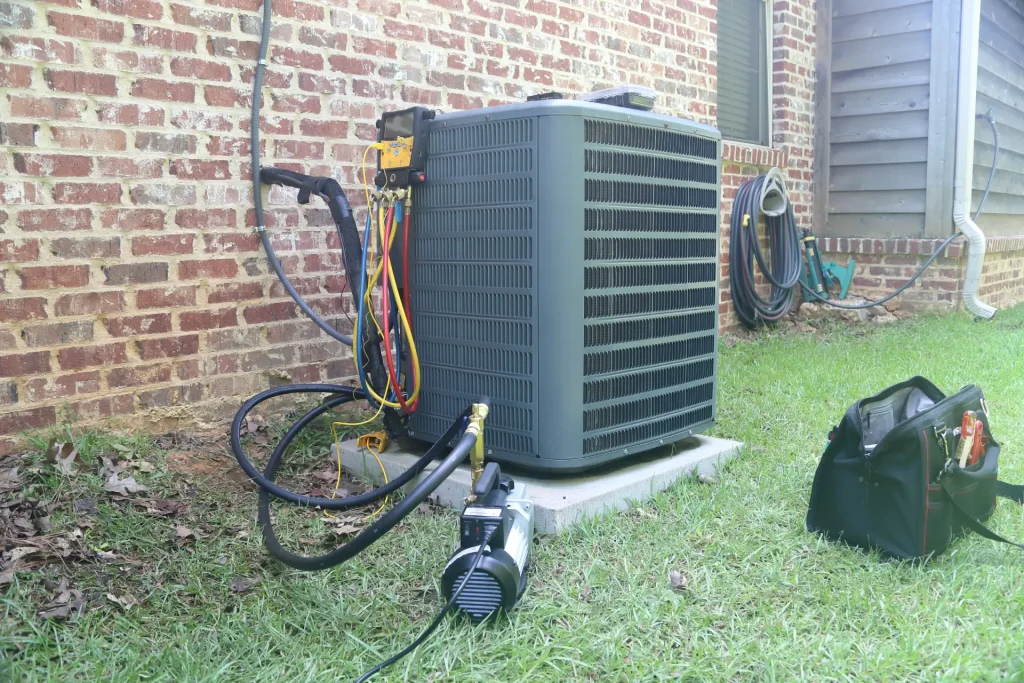
When the house is hot and your air conditioner stops keeping up, the repair vs replace air conditioner decision can feel urgent. Central Texas summers put long hours on a cooling system, and a single failure does not always mean the equipment is at the end of its life. In many cases, a focused repair restores comfort. In others, putting more money into an older or unreliable system only delays a replacement that would better fit your home.
Request an AC evaluation from Kane Heating and Air Conditioning
The right choice depends on more than the latest service bill. System age, repair history, the type of failure, comfort in different rooms, operating costs, and the condition of the equipment all matter. This guide explains what homeowners in Killeen, Temple, Belton, Harker Heights, and nearby communities can look at before choosing the next step.
Start with safety and a clear diagnosis. Turn the system off if you smell burning, see damaged wiring, hear severe grinding, or notice water near electrical components. For a normal cooling problem, a qualified technician can test the system, explain the cause, and compare practical repair and replacement options. Kane Heating and Air Conditioning AC repair is available for homeowners who need that evaluation.
How Central Texas Homeowners Decide to Repair vs Replace an Air Conditioner
A repair often makes sense when the system is younger, the problem is isolated, and the rest of the equipment is sound. A new capacitor, contactor, thermostat, drain repair, or other single-component fix may return the system to dependable service. The diagnosis should also look for the reason the part failed, rather than treating the visible symptom alone.
Replacement becomes more worth considering when several warning signs appear together. An older system with repeated breakdowns, rising utility bills, uneven cooling, and a major component failure deserves a broader cost comparison. That does not mean age alone makes replacement mandatory. It means the next repair should be weighed against the comfort and reliability a new system could provide.
Central Texas weather makes reliability especially important. A system that fails during a long stretch of high heat can affect sleep, indoor humidity, pets, children, and older adults. Homeowners should consider how much risk they are comfortable carrying through the next cooling season. A lower repair bill today may not be the lowest-stress choice if another failure is likely soon.
Signs An AC Repair May Be the Better Choice
Many air-conditioning problems are repairable without replacing the entire system. A technician can test controls, electrical components, airflow, refrigerant performance, coils, and the condensate system. If the equipment is otherwise in good shape, a targeted repair may be the most responsible way to restore comfort and protect the investment you have already made.
- The system is not very old. A newer system may have many useful years ahead when the failure is limited to one replaceable part.
- The problem is clearly identified. A specific failed component is easier to evaluate than a system with several unexplained symptoms.
- Repair history has been light. One repair after years of dependable service is different from repeated service calls every season.
- The home cools evenly when the system works. Good airflow and balanced temperatures suggest that the overall design may still meet your needs.
- The repair cost fits your budget. A reasonable repair can make sense when it does not create financial strain or signal a larger failure.
Ask what the repair includes and what the technician observed during testing. The answer should cover the failed part, the condition of related components, and whether the work is expected to solve the current symptom. You can also ask whether maintenance or an airflow correction would help prevent the same problem from returning.
Signs Replacing the AC May Make More Sense
Replacement deserves a serious look when the system has become a pattern of problems rather than a single incident. Frequent repairs can add up while the equipment still leaves rooms uncomfortable. A major failure on an older system can also lead to a difficult decision because the repair may restore operation without addressing the next likely failure.
- Breakdowns keep returning. Multiple service calls in a short period point to declining reliability, especially when different parts are failing.
- Cooling is uneven or weak. Hot rooms, long run times, and poor humidity control can indicate equipment, airflow, ductwork, or sizing concerns.
- Energy use has climbed. A higher bill can have many causes, but declining equipment performance should be part of the diagnosis.
- The repair involves a major component. Compressor or coil problems deserve a repair-versus-replacement comparison that considers the rest of the system.
- The system no longer fits the home. Renovations, additions, changing household needs, or persistent comfort complaints may make a new evaluation useful.
- You need dependable cooling soon. If a system is unreliable before the hottest part of summer, planned replacement can be less disruptive than an emergency failure.
Do not rely on a single rule such as âÂÂreplace it after a certain number of years.â Service life varies with installation, maintenance, run time, airflow, weather exposure, and the equipment itself. A thorough evaluation should explain whether the current system can be repaired safely and what a replacement would change for comfort, efficiency, and reliability.
Repair Cost, Replacement Cost, and the Total Value of the Decision
Price matters, but the cheapest invoice is not always the best value. Compare the repair with the likely cost of continued ownership over the next few seasons. Include repeat service calls, higher utility use, comfort problems, and the possibility of another failure during extreme weather. At the same time, avoid assuming that a replacement automatically pays for itself through energy savings.
| Question | What It Can Tell You | Why It Matters |
|---|---|---|
| What failed? | Shows whether the issue is isolated or tied to a major system component. | A targeted repair may be sensible, while a major failure may justify a broader comparison. |
| How often has the system needed service? | Reveals the trend behind the latest breakdown. | Repeated repairs can make an older system harder to budget for. |
| Does the home cool evenly? | Identifies comfort issues beyond the immediate failure. | A replacement plan should address airflow and sizing, not just equipment. |
| What will the repair restore? | Clarifies whether the work solves the cause or only one symptom. | Knowing the expected result helps prevent surprise costs. |
| What is included in replacement? | Shows the scope of equipment, installation, duct, controls, and startup work. | Two quotes are only comparable when the included work is clear. |
Request an itemized explanation for either path. For a repair, ask about the part, labor, testing, and any related work. For a replacement, ask how the system will be selected for the home, what installation work is included, and how the contractor will verify airflow and operation. Kane offers AC installation and replacement information for homeowners comparing options.
Financing can also affect timing, but it should not push you into equipment that does not fit your home or budget. Kane lists financing options with low monthly payments, subject to the terms and details available at the time. Call for current information rather than relying on a general estimate from an online calculator.
How Much Does AC Capacitor Replacement Cost?
AC capacitor replacement cost depends on the capacitor type, the equipment it serves, the diagnostic work, labor, access, and when service is needed. A standard residential capacitor may be a smaller repair than a compressor or coil problem, but an online price is not a reliable quote for your home. Kane Heating and Air Conditioning can test the system and explain the repair before work begins.
Ask whether the estimate includes the service call, diagnosis, part, installation, testing, and any related repair. Capacitors are matched to the equipment’s electrical requirements, and a replacement should address why the part failed rather than only swapping the visible component. A technician may also find another issue affecting the fan, compressor, wiring, airflow, or controls.
- The equipment type and capacitor style
- The diagnostic or service visit
- Part availability and the required electrical rating
- Access to the equipment and labor time
- The timing and urgency of the service call
If the system is otherwise in good condition and the failure is isolated, replacing the capacitor may be a practical repair. If the system has repeated breakdowns or other major issues, compare the capacitor repair with the condition and expected costs of the whole system before deciding. Kane Heating and Air Conditioning can help you compare the next step.
What To Check Before Calling for AC Service
Some basic observations can help a technician understand the problem. Do not remove electrical panels, handle refrigerant, or attempt a repair yourself. The following checks are limited to safe homeowner observations and do not replace professional diagnostics.
- Check the thermostat. Confirm it is set to cooling, the temperature is below the room temperature, and the batteries are working if the thermostat uses them.
- Look at the filter. A heavily loaded filter can restrict airflow. Replace it with the correct size if it is due, then note whether airflow improves.
- Check the air coming from the vents. Notice whether air is weak, warm, or different from room to room. Do not close many vents to force more air elsewhere.
- Look around the indoor unit. Water, ice, unusual sounds, or a musty smell are useful details to report. Turn the system off if you see a leak near electrical parts.
- Check the outdoor unit from a safe distance. Listen for unusual sounds and make sure leaves or other debris are not blocking the area. Do not reach into the cabinet.
- Write down the pattern. Record when the issue began, whether it happens during certain temperatures, and whether the system runs constantly or cycles on and off.
These observations can shorten the conversation, but they cannot identify every cause. A dirty filter may be part of the problem while a failing component, refrigerant issue, or duct problem remains. If the system freezes, turn it off and schedule service instead of repeatedly restarting it.
Why Maintenance Can Change the Repair vs Replace Air Conditioner Conversation
Maintenance does not make an old system new, and it cannot prevent every breakdown. It can, however, help identify worn parts, airflow restrictions, dirty coils, drain issues, and other conditions before they become an emergency. It also gives a technician a better record of system performance when you need to decide whether continued repairs are reasonable.
Regular maintenance is especially useful in Central Texas because cooling equipment may run for long periods. Kane’s AC maintenance service page describes inspections that include filters, refrigerant levels, electrical connections, condensate drains, and overall performance. Maintenance should be treated as part of a comfort plan, not as a guarantee that a system will never fail.
The ENERGY STAR maintenance checklist also recommends regular filter and coil care to support airflow and performance. Local conditions, equipment type, and the system’s actual condition still determine what service is appropriate.
Kane also offers a maintenance agreement described on its site as $279 per system per year or $20 per month. The agreement includes two seasonal checkups, 15% off repairs up to $150, 5% off replacement, priority service, and no service fee during regular business hours. Call for current details and eligibility before making a decision.
How To Plan If You Choose Replacement
A planned replacement gives you time to compare equipment and installation details before the old system stops working. Start by describing the comfort problems you want solved, not only the size of the existing equipment. A good conversation should cover room temperatures, humidity, airflow, noise, thermostat needs, and any changes to the home.
Use these steps to make the comparison clearer:
- Schedule an evaluation. Have the existing system and the home’s comfort concerns reviewed together.
- Ask about system selection. Confirm that the proposed equipment is appropriate for the home and not simply copied from the old unit.
- Review the installation scope. Ask about connections, drain work, electrical needs, ductwork, controls, startup, and cleanup.
- Compare total proposals. Look at equipment, labor, included work, payment terms, and the expected next steps.
- Plan the timing. Replacing before a known failure can reduce the chance of losing cooling during extreme heat.
Replacement is also a chance to correct problems that may have limited the old system. A new unit cannot overcome severely restricted ductwork or poor airflow by itself. Ask how the contractor will check those conditions and confirm the system is operating as intended after installation.
When Repair Is Still Reasonable for an Older System
Older equipment is not automatically a poor repair candidate. If the system has been reliable, the home is comfortable, the problem is isolated, and the repair is reasonably priced, repair may still be the practical choice. The important point is to make that decision with a clear view of the system’s condition rather than treating age as the only factor.
Ask what the technician sees beyond the failed part. Are coils, motors, controls, wiring, and airflow in acceptable condition? Is the repair likely to restore normal performance? Would a maintenance visit or duct correction improve the result? Answers to those questions help you decide whether you are buying more useful time or only postponing a larger problem.
Call Kane at (254) 681-1692 to compare repair and replacement options
Frequently Asked Questions About Repair vs Replace Air Conditioner
How much does AC capacitor replacement cost?
AC capacitor replacement cost varies by the equipment, capacitor, diagnosis, labor, access, and timing. A trustworthy estimate should identify the part and explain what is included rather than rely on a universal online price. If your AC is humming, struggling to start, or blowing warm air, request an evaluation from Kane Heating and Air Conditioning. If you smell burning, see damaged wiring, or notice water near electrical components, turn the system off and seek professional help.
Is it better to repair or replace an AC that is not cooling?
It depends on the cause, age, repair history, and overall condition. A failed thermostat, capacitor, airflow issue, or other isolated problem may be repairable. Repeated breakdowns, major component failure, and ongoing comfort problems make replacement worth comparing. A technician should diagnose the system before you choose.
How do I know if an AC repair is worth the money?
Consider whether the repair addresses a specific problem and whether the rest of the system is reliable. Ask for the expected result, the condition of related components, and the chance of additional work. One reasonable repair on a dependable system is different from several expensive repairs in one season.
Can maintenance prevent an air conditioner replacement?
Maintenance can help a system perform well and reveal developing problems earlier, but it cannot prevent normal wear or every failure. It is most helpful when paired with clean filters, good airflow, prompt repairs, and a clear record of service. It may extend useful service time, but it is not a promise of a specific lifespan.
Should I replace my AC before summer in Central Texas?
Planned replacement can be easier to schedule than an emergency installation during the hottest weather. If your system has become unreliable, struggles to cool the home, or needs a major repair, ask for an evaluation before peak demand. If it is operating well, there is no need to replace it only because summer is approaching.
Where can homeowners in Killeen, Temple, Belton, or Harker Heights get AC help?
Kane Heating and Air Conditioning serves homeowners in Killeen, Temple, Belton, Harker Heights, and surrounding Central Texas communities. You can review AC services, call (254) 681-1692, or use the contact page to request the next step.
Get A Clear AC Recommendation Before You Decide
The best repair vs replace air conditioner choice is the one that fits the system’s condition, your home’s comfort needs, and your budget. Do not guess from a single symptom or a single online rule. Have the equipment evaluated, ask what caused the problem, and compare the immediate repair with the likely cost and reliability of continued ownership.
Kane Heating and Air Conditioning can help homeowners compare repair, maintenance, and replacement options across Central Texas. Call (254) 681-1692 or contact Kane to discuss your AC problem and request a clear next step.